
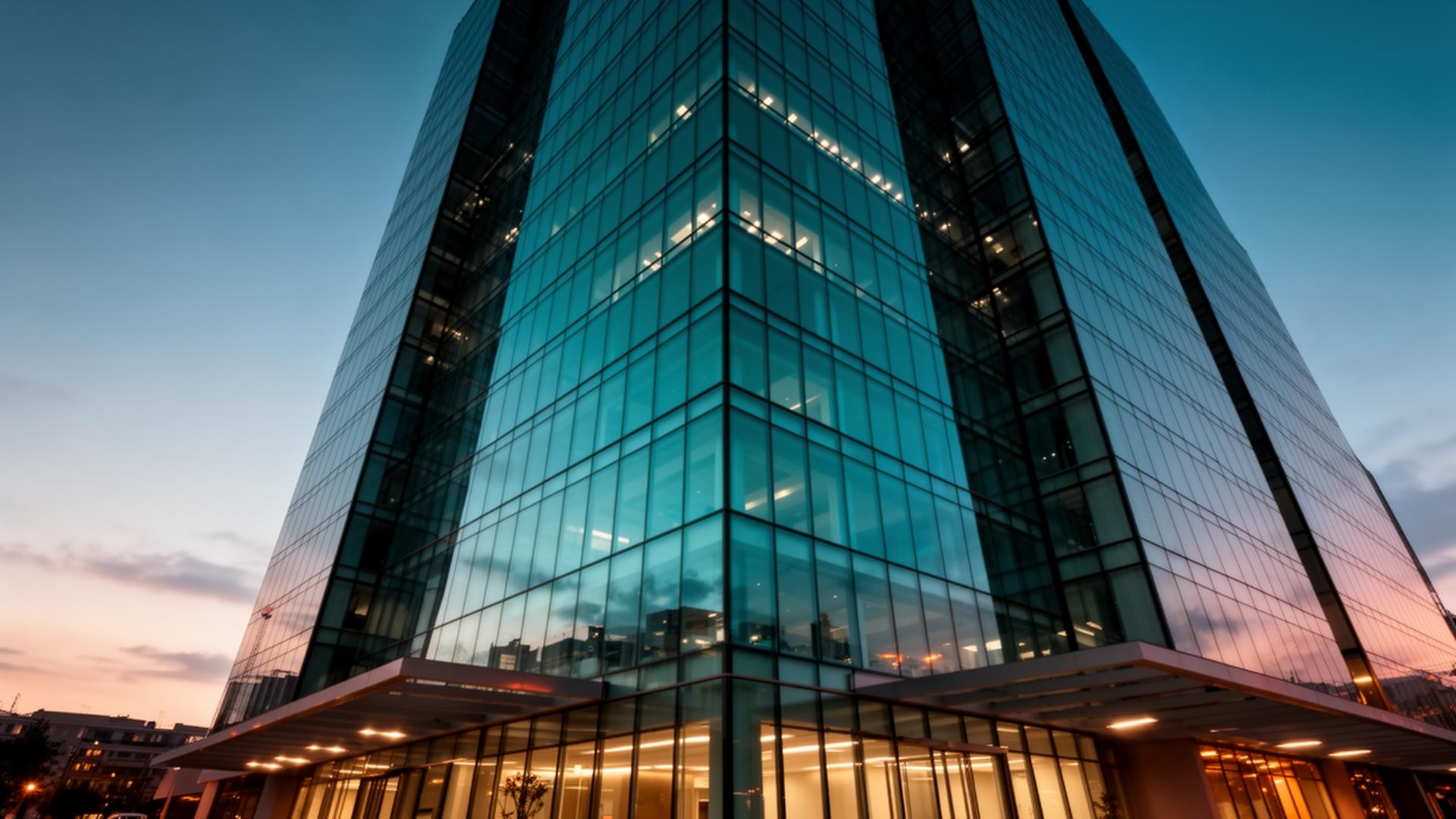
What Is a Building Facade?
A complete introduction to the skin of a building — how it works, why it matters, and the systems that make modern facades possible.
The building facade is the exterior face of a structure — the boundary between the indoor environment and the outside world. Far more than a decorative skin, the facade is an engineered system that controls weather, light, air and heat while defining the architectural character of the building.
In commercial and residential towers across Delhi NCR, Mumbai, Bangalore and beyond, the facade accounts for a significant share of both construction cost and long-term energy performance. Understanding how facades work helps architects, developers and consultants specify systems that balance aesthetics, durability and efficiency.
What a facade does
Modern facades perform four critical roles simultaneously.
Weather Protection
A facade shields the building interior from rain, wind, dust and temperature extremes, preserving structural integrity and occupant comfort.
Thermal & Energy Control
High-performance facades regulate heat gain and loss, cutting HVAC loads and reducing lifetime energy costs.
Structural Load & Airflow
The envelope resists wind pressure and manages natural or mechanical ventilation while preventing air leakage.
Architectural Identity
Material choice, colour and texture make the facade the most visible statement of a building's design intent.
Types of facade construction
Each system suits different building heights, budgets and design intentions. Here are the most common approaches used on landmark projects in India today.
Unitized Curtain Wall
Factory-assembled modules lifted and fixed floor-by-floor. Fast, clean and ideal for high-rise towers where speed and water-tightness are critical.
Learn moreStick-Built Curtain Wall
Aluminium mullions and transoms assembled on site, then glazed. Flexible for complex geometries and lower-rise buildings.
ACP Cladding
Aluminium Composite Panels bonded to a lightweight core. Durable, cost-effective and available in a wide range of finishes and colours.
Learn moreSpider / Frameless Glazing
Point-fixed glass with stainless steel spider fittings. Used for atriums, entrances and lobbies where transparency is paramount.
Learn moreGlass Railing Systems
Frameless or base-channel balustrades that extend the facade language to balconies, terraces and stairways.
Learn moreSun-Shading & Louvers
Horizontal or vertical aluminium fins that cut solar glare and heat without blocking natural daylight or views.
Key facade materials
- Float glass — The base for most curtain wall and railing applications. Can be clear, tinted, reflective, laminated or insulated (DGU).
- Aluminium extrusions — Lightweight, corrosion-resistant profiles that form the grid of stick and unitised systems. Often thermally broken to reduce heat transfer.
- Aluminium composite panels (ACP) — Two aluminium skins bonded to a polyethylene or mineral core. Used for rain-screen cladding, soffits and feature walls.
- Structural silicone — Specialised sealant that bonds glass to metal without mechanical clamps, creating seamless frameless appearances.
- Stainless steel fittings — Spider arms, clamps and patch fittings that hold glass in place for frameless and point-fixed glazing.
- EPDM and silicone gaskets — Rubber profiles that seal joints, absorb thermal movement and prevent water ingress.
How ADI Facades delivers modern facades
Since 1994, M/s Ashoo Decor (India) — operating as ADI Facades — has designed, fabricated and installed high-performance facade systems for over 67 landmark projects across India. As an authorised fabricator of EFP Holland since 2013, we bring European curtain-wall technology to Indian commercial, residential and government buildings.
Our Sonepat manufacturing facility houses 35+ Italian and German machines for aluminium extrusion processing, CNC cutting, glass handling and assembly. Every unitised module, ACP panel and glass railing is fabricated in-house, then installed by our own site teams under strict QA/QC protocols.
Frequently asked questions
What is the difference between a facade and a curtain wall?
A facade is the entire exterior envelope of a building. A curtain wall is one type of facade system — a non-structural outer covering, usually aluminium and glass, hung from the building frame like a curtain.
How long does facade installation take?
Unitised curtain walls can be installed at roughly one floor per day per crane, making them ideal for tight schedules. Stick-built systems take longer on site but suit lower-rise or irregular buildings.
What is the lifespan of a modern facade?
A well-engineered aluminium-and-glass facade can last 25–40 years with minimal maintenance. ACP cladding and frameless glazing systems require periodic sealant inspection and panel replacement as needed.
Do facades improve energy efficiency?
Yes. Double-glazed units, thermal breaks and insulated spandrel panels can reduce HVAC energy demand by 20–40% compared to single-glazed or uninsulated envelopes.
Planning a facade project?
Talk to our engineering team for a system recommendation and budget estimate.